Branch Features
Ankara Cankaya Dialysis Center
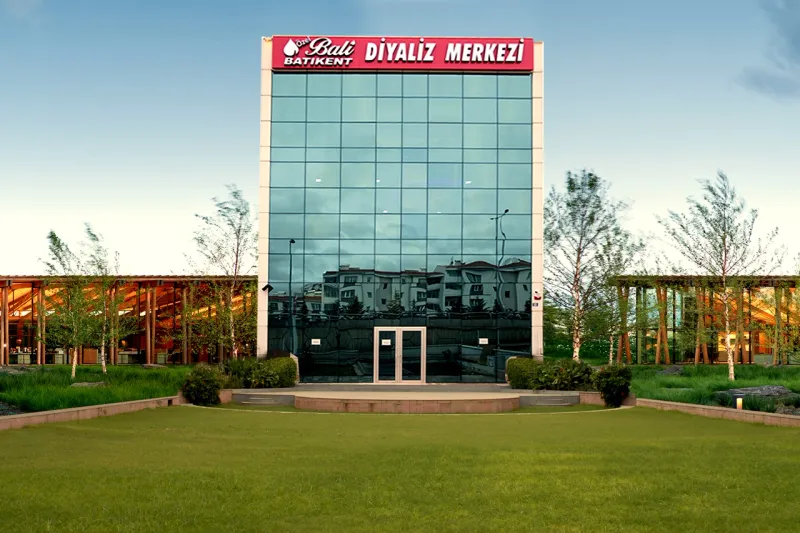
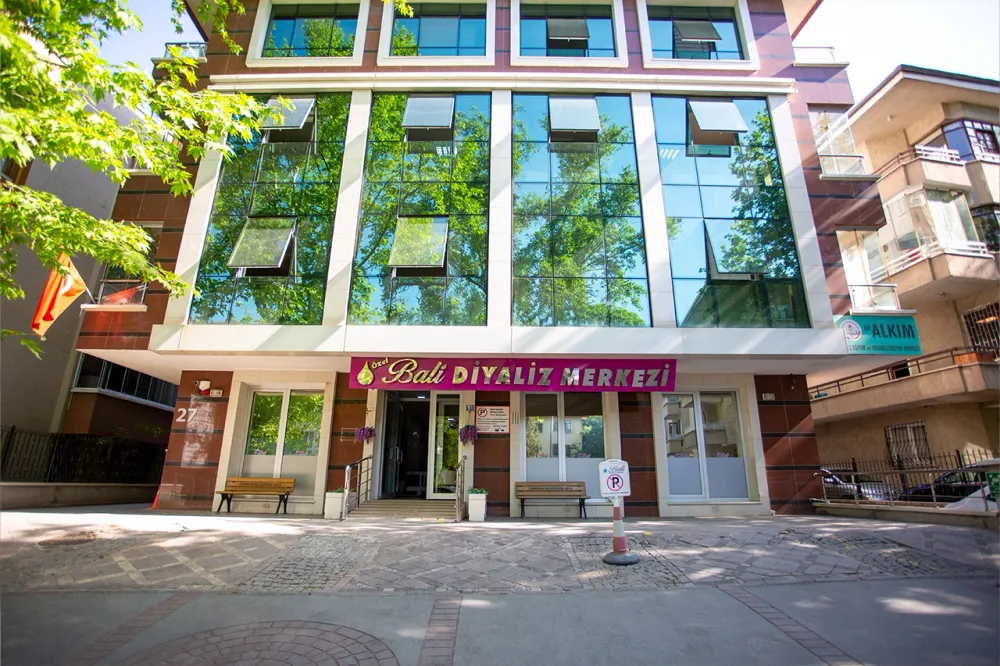
Bali Dialysis Center Cankaya Branch
Choosing a dialysis center is not an easy decision for most patients or families. Because dialysis treatment is a process that is done several times a week and in which one spends a lot of time. For this reason, the patient involuntarily looks for a place that is safe for themself, where they can entrust themself to the health team with peace of mind.
At Ankara Cankaya Bali Dialysis Center, the roadmap for the patient is built on these basic and justified thoughts. Patients are not seen as just people who come in and out of sessions. The health status of each patient who is a guest of the center is monitored regularly, and doctors and health personnel closely monitor the patient's process. Rapid intervention when encountering any problem also creates an important trust for patients.
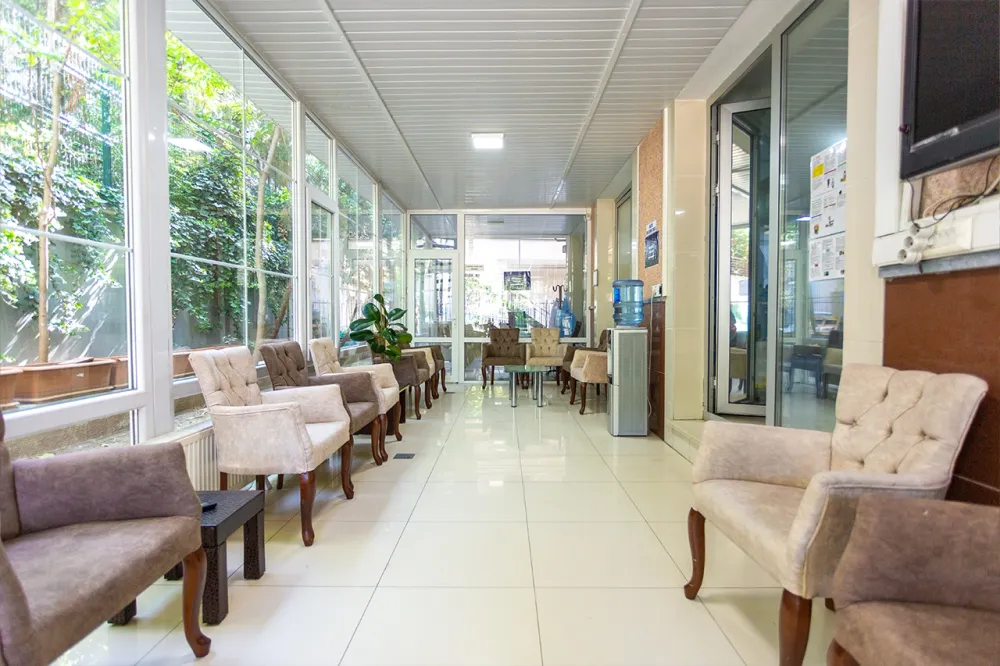
The essence of the business is that in this dialysis center, the aim is not only to apply dialysis treatment. It is to ensure that the patient feels as comfortable and safe as possible in the time period they receive treatment. That's why it's an environment that can be preferred for many people researching dialysis centers in Cankaya.
Exclusive services offered at Bali Dialysis Cankaya branch
When choosing a dialysis center, people generally only think of devices. But the truth of the business is that support services in the dialysis process are also at least as important as treatment.
The services offered to patients at the Bali Dialysis Cankaya branch are quite comprehensive in this respect. Regular hemodialysis treatment is applied in the center and patients' blood values are closely followed in the laboratory environment. Thanks to the examinations made in necessary cases, the treatment process is evaluated more healthily by doctors.
Imaging services are also available at the center. In this way, the general health status of the patients is examined in more detail. Another important issue for dialysis patients is nutrition. At this point, the working dietitian supports the treatment by creating an appropriate nutrition plan for the patients.
Of course, there is another service that increases the comfort of the patients and really makes their work easier: Patient transport service. Especially for patients who have difficulty in reaching regular dialysis sessions, this support truly provides a substantial relief. Bali Dialysis Center is also with its patient in this regard.
What we call dialysis is simply this: Cleaning the blood with the help of a special device. That is, dialysis treatment takes over the job the kidney should do for a while. Harmful substances, excess salt, and fluid in the blood are removed from the body during this process. Thus, body balance is maintained.
The kidneys actually work like the body's natural filter system. They filter the blood throughout the day, separate harmful substances, and remove excess fluid from the body through urine. But in some diseases, the kidneys cannot do this job enough. This is where dialysis comes in.
Why is this treatment so important? Because when the kidneys do not work, waste products in the blood begin to accumulate rapidly. This can lead to high blood pressure, edema formation in the body, shortness of breath, and serious pressure on the heart. Dialysis keeps the body in balance by cleaning this accumulation.
Global research on the World Health Organization and kidney diseases also show how widespread the problem is. According to Global Burden of Disease data, about 850 million people in the world live with kidney disease, and regular dialysis treatment is considered one of the most fundamental treatment methods for the continuation of life in advanced stage patients.
For this reason, choosing a correct dialysis center and continuing treatment regularly becomes a truly vital issue for kidney patients. The aim here is not only to clean the blood, but also to keep the patient's quality of life as balanced as possible.
How is dialysis performed and how does the treatment process work?
Dialysis treatment starts with the evaluation of the patient by the nephrology doctor. First of all, the patient's kidney functions are looked at, blood values are examined, and it is clarified whether there is really a need for dialysis. If dialysis is considered necessary, a vascular access is opened in the patient's arm for treatment. This is also called a fistula. By using the vascular access, the connection between the blood and the dialysis device is established.
During the treatment, the patient's blood goes to the dialysis device with thin tubes. There is a special filter inside the device. This filter separates the harmful substances and excess fluid in the blood. The cleaned blood is then returned to the patient's body again. Throughout the process, the health team constantly follows the patient, the patient's blood pressure is measured and their general condition is controlled.
How the treatment process will be becomes clear after the evaluation the doctor will make. For this reason, the number of sessions may vary.
How many hours does a dialysis session last?
A standard dialysis session generally continues for an average of 3 to 4 hours. Most patients come to the center 3 days a week and enter dialysis. However, keep in mind that this period may vary according to the health status of the patient, kidney functions, and the doctor's treatment plan.
Since dialysis treatment is a treatment performed regularly several days a week, the dialysis center to be chosen is truly very important. Because the place you go to is not just a health institution! It is a place where you will be in contact for a long time and where you will establish sincere friendships.
First of all, it is necessary to look at the medical staff of the center. Is there a nephrology specialist, are the nurses experienced in dialysis, are the patients followed regularly... these are important questions. Because blood pressure changes, fluid balance, or other health problems can occur during dialysis. It is quite important to have experienced personnel in this regard and to be able to react during problems.
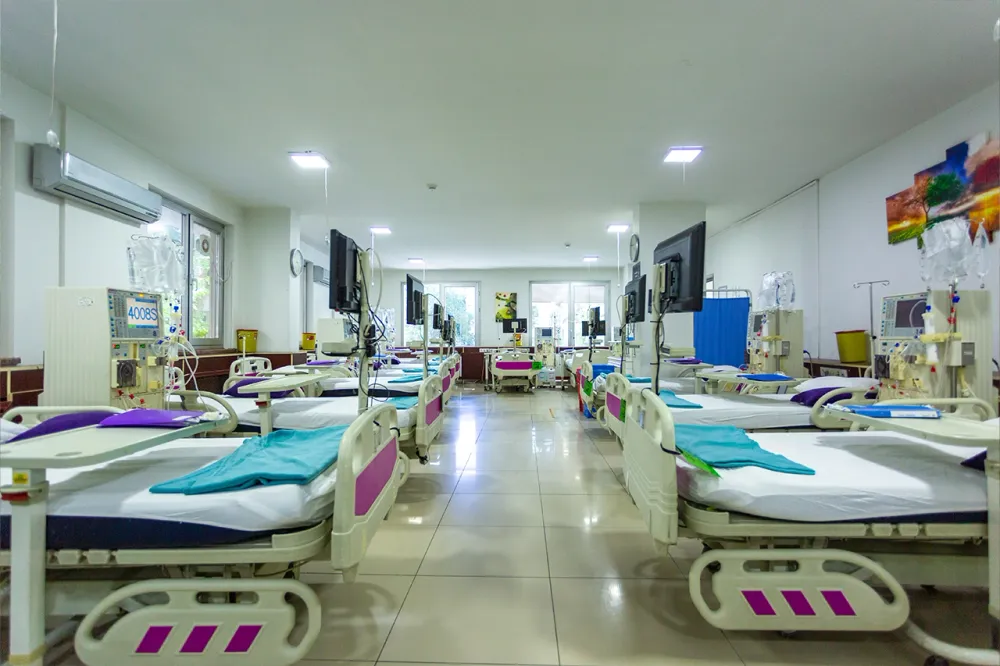
Another issue is device quality and hygiene. Regular maintenance of dialysis devices should be done and disinfection should be applied after each patient. Otherwise, the risk of infection may increase. This issue is especially emphasized in health guides. Cleaning dialysis devices and patient areas after each use is one of the basic rules that reduce the risk of cross-infection.
Expert physician staff and experienced health personnel
Dialysis treatment may seem like just connecting to a machine from the outside. However, it is actually a very sensitive process. The patient's blood pressure, fluid balance, blood values, and general condition at every session must be carefully controlled during the session.
For this reason, a good dialysis center, as in Ankara Bali Dialysis Center, definitely works with a nephrology specialist and nurses experienced in dialysis. The health team follows the patient not only during the session, but in the whole of the treatment process. Performed blood tests are evaluated, and if necessary, the treatment plan is changed.
The information of an experienced team about the patient is also important for the success of the process. Which nutrients should be avoided, what should be considered after the session, how should the fistula be protected... all these are explained to the patient. This also allows the patient to adapt to the treatment more comfortably.
Modern dialysis devices and hygiene standards
The devices used in dialysis treatment actually mimic the work the kidney does. That is, they filter the blood, remove harmful substances and excess fluid from the body. For this reason, it is quite important that the devices used have current technology.
But another issue at least as important as the device is the hygiene standards as we underlined above. In dialysis centers, devices, chairs, and used equipment must definitely be disinfected after each patient. Because this application is one of the basic rules preventing the transmission of infection from patient to patient.
Additionally, the internal water systems and filters of the dialysis devices are also passed through regular maintenance and disinfection. These processes both ensure that the treatment is performed safely and guarantee the correct operation of the devices.
Since dialysis treatment is a treatment that must be attended regularly several days a week, the issue of transportation is truly an important matter for patients. Especially in a big city like Ankara, going to every session with one's own means can sometimes be tiring. For this reason, many patients definitely research transportation possibilities when choosing a dialysis center.
There are places offering patient transport service in the Cankaya region considering this situation. That is, patients are taken from their homes on session days and brought to the center, and after treatment, they are left at their homes again. This system provides a serious convenience especially for elderly patients, people with limited movement, or those who have difficulty in transportation within the city.
Actually, for many patients, this service means a great relief. Because the main focus in dialysis treatment should be health. Not having to deal with road, traffic, or transportation stress makes the treatment process of the patients psychologically easier.
Free shuttle service
One of the issues patients coming to Bali Dialysis Center Cankaya Branch are most satisfied with is the free shuttle service. Shuttles provided by the center offer a great convenience for patients who have difficulty in reaching dialysis sessions.
Shuttles are made for dialysis patients to many parts of Ankara. Especially for patients living around Mamak, Altındağ, Keçiören, Pursaklar, Çankaya, and Gölbaşı, there is a regular shuttle opportunity. Patients coming on the session day are taken from their homes at designated hours and brought to the dialysis center. After the treatment is completed, they are left at their homes again.
Considering that there are dialysis sessions 3 days a week, the shuttle service is a truly great convenience. Stress-creating problems such as making a road plan, not being able to catch up, or setting up a vehicle are eliminated.
Treatment areas suitable for wheelchair access and comfortable
One of the most important issues when designing a dialysis center is accessibility. Because a part of the dialysis patients may have difficulty in moving or may use a wheelchair. For this reason, entrances, corridors, and treatment areas inside the center are organized in a way that can be moved easily with a wheelchair.
Treatment areas in the Bali Dialysis Cankaya branch have also been planned in a way that patients will be comfortable. Easy access can be provided with a wheelchair and patients receive treatment in comfortable chairs during the session.
Many people undergoing dialysis treatment realize this: it's not just about going to the dialysis session. Small things you do in daily life can also seriously affect the body. Especially nutrition is a truly important issue for dialysis patients.
For example, the issue of salt. Dialysis patients are generally recommended to reduce salt. Because excess salt holds water in the body. This situation can both raise blood pressure and force the patient between sessions. In the same way, some foods should also be consumed controlledly. Especially foods with high potassium and phosphorus content are sometimes limited. For this reason, dialysis centers providing professional service like Bali Dialysis Center give dietitian support to patients and create the nutrition plan most suitable for the patient's condition.
The issue of protein, on the other hand, is a bit different. Some loss of protein can occur from the body during dialysis. For this reason, many patients are recommended to consume protein in a balanced way. But the important thing here is the measure. The same nutrition plan is not applied for every patient.
Besides nutrition, daily life is also important. Not very heavy walks, regular sleep, and not skipping doctor checks help dialysis patients feel better. It seems small but truly makes a difference.
Some research on kidney diseases also shows this. According to National Kidney Foundation data, the quality of life is higher in dialysis patients who follow a regular nutrition plan and do not skip their treatment.
How can I register to Ankara Cankaya Bali Dialysis center?
The easiest way to register is to reach the center by phone or directly contact them. You can get information and request guidance about the registration process by calling 0312 215 20 50 for the dialysis center in Cankaya. If you wish, you can also apply by going to the center. Address: Mebusevleri District, Şerefli Street No:27/1 Çankaya / Ankara. The health team will start the process by evaluating the necessary documents and the dialysis plan together with you.
How many hours do dialysis sessions take on average?
A dialysis session takes 3-4 hours on average.
Is there patient transport and shuttle service in your Cankaya branch?
Yes, there is patient transport and shuttle service for the dialysis center in Cankaya. Accompanied by free shuttles provided by the center, patients are taken from their homes on session days and brought to the center, and after treatment they are left at their homes again.
Is pain or suffering felt during the dialysis procedure?
No, you do not feel pain during dialysis. You will have a slight sensation during the insertion of the needle while the vascular access is connected at the beginning of the session.
Do you have an agreement with SGK (Social Security Institution)?
Yes, Bali Dialysis center in Cankaya is contracted with SGK, so patients with SGK assurance can benefit from dialysis treatment within the scope of SGK.
Can they continue their daily life and work after dialysis?
Yes, many patients can continue their daily work and life as long as they feel good after the dialysis session.
If you want to get information about dialysis or make a planning, you can contact Nephrology Professor Prof. Dr. Musa Bali.