
Laboratory Services
Importance of Laboratory Tests in Dialysis
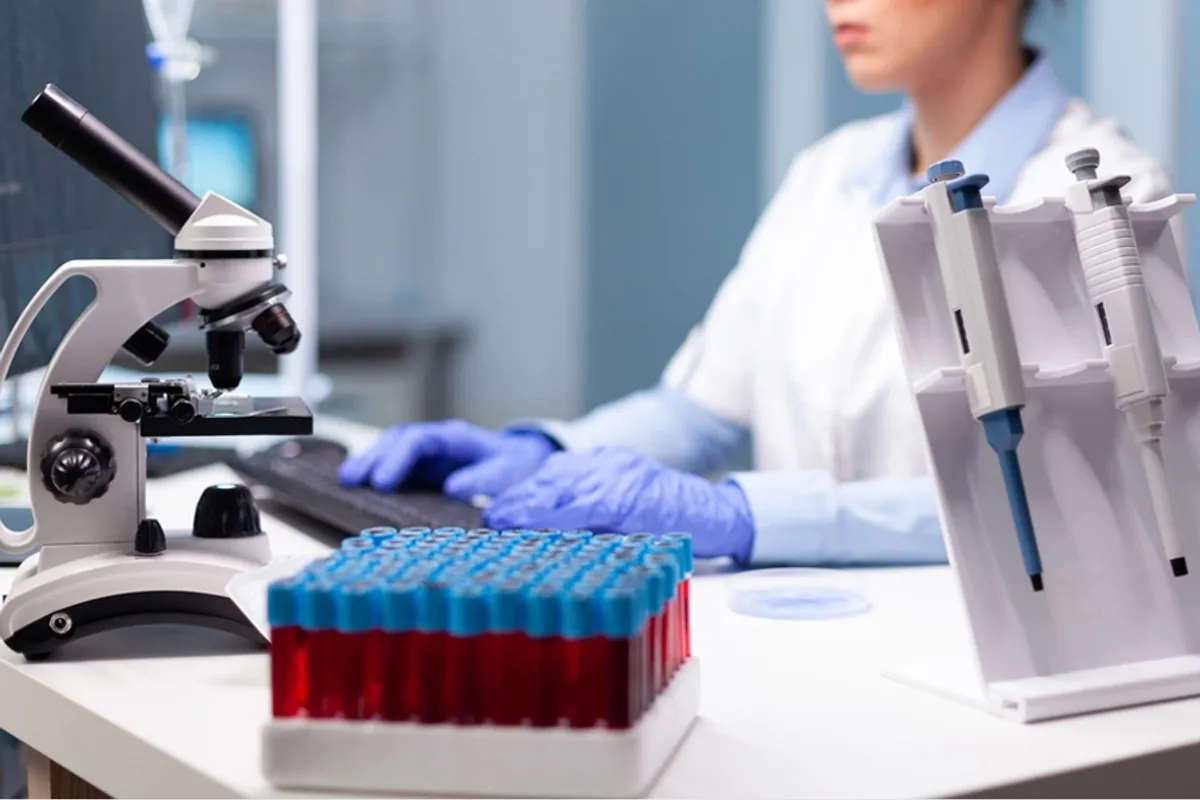
In order to protect the health status of chronic kidney failure patients and to determine how successful the hemodialysis treatment is, Laboratory Services are at the center of medical follow-up. As Bali Dialysis Center, without allowing any of our patients to wait in general hospital queues and experience additional fatigue; we take all monthly mandatory and medically necessary blood and urine tests directly from your dialysis chair, through our nurses who are experts in their fields, before the treatment.
The samples taken are submitted to reference laboratories we contracted with ISO or Ministry of Health quality standards with special couriers on the same day, strictly adhering to cold chain rules. As soon as the results are out, they are integrated directly into our patient monitoring system (Merd-sis) and fall in front of our responsible physician and nephrologists.
Monthly Routine Biochemistry and Hemogram Tests
According to standards, a comprehensive test panel is worked from each hemodialysis patient at least once a month to determine their general condition. The laboratory notifications we follow meticulously in this panel are:
- Complete Blood Count (Hemogram): Follow-up of anemia (lack of blood), which is frequently seen in kidney patients and is caused by the kidney’s inability to produce erythropoietin hormone. According to the results, our physician organizes blood-forming injections (Erythropoietin) or iron treatment.
- Renal Profile (Kidney Functions): By measuring urea (BUN) and Creatinine levels in the blood, the cleaning effectiveness of dialysis before and after treatment (Kt/V and URR rates) is checked. This shows the adequacy of your stay on the machine or your dialyzer (filter) type.
- Electrolyte Balance: Vital electrolytes such as Potassium (K), Sodium (Na), Calcium (Ca), and Phosphorus (P) are monitored. Especially high potassium and irregular phosphorus can lead to heart failure and severe bone diseases, so immediate dietitian intervention is carried out for these values.
- Iron Profile: Serum Iron, Iron Binding Capacity (TIBC), and Ferritin tests are examined every 3 months and the body’s iron stores are kept stable.
Parathyroid and Bone Metabolism (PTH)
One of the most troublesome complications of kidney failure is bone and joint melting known as “Renal Osteodystrophy”. To prevent this, the Parathormone (iPTH) values of our patients are periodically checked at our center. The calcium, phosphorus, and PTH trio deviating from normal are regulated by our expert physician with special Vitamin D forms and phosphorus-binding drug regimens. Our goal is for our patients to be able to maintain their mobility and bone integrity until advanced ages.
Viral Indicators and Hepatitis Follow-up (HbsAg, HCV, HIV)
Infection control of the system is vital because multiple patients frequently receive treatments that can create a risk of contact through blood in dialysis centers. At Bali Dialysis Center, Hepatitis B (HbsAg), Hepatitis C (Anti-HCV), and AIDS (Anti-HIV) tests are definitely requested from every new applicant before treatment. For ongoing patients, these tests are repeatedly performed at regular intervals (monthly or 3-month periods) according to regulations. Patients whose test results are positive or different are immediately directed to separate devices and insulated VIP lounges, reducing the risk of cross-infection to the “zero” point.
At Bali Dialysis Center, we do not only file our patients’ laboratory results, but also explain these data to them transparently and inform them about the progress of treatment. Our goal is to ensure that your values always progress at optimum standards, in “Healthy” reference ranges or at the level closest to it. All of the routine laboratory procedures of our patients within the scope of SGK are coordinated for free by our center.